Brachycephalic Airway Surgery for Flat-Faced Breeds
BOAS significantly impacts a dog’s comfort, energy levels, and overall well-being. At Sydney Bulldog Clinic, we offer a corrective set of procedures designed to improve airflow in brachycephalic dogs to help them breathe easier, play more, and live a happier, healthier life.
Give your dog their breath & life back! Book an assessment or BOAS surgery plan today.
What Is BOAS in Dogs?
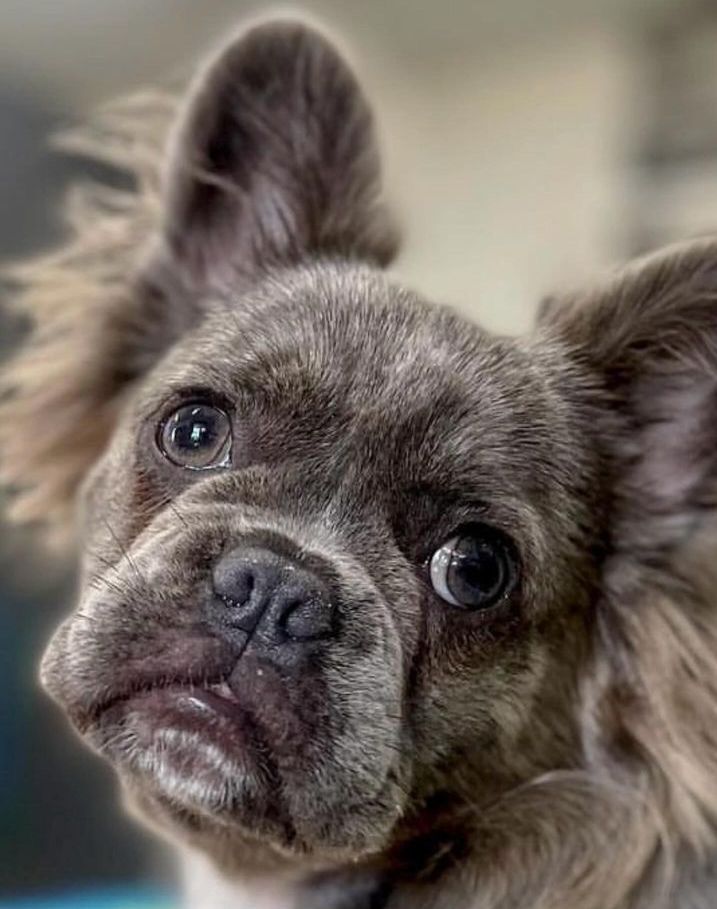
Brachycephalic Obstructive Airway Syndrome(BOAS) is a condition that affects dogs with short muzzles and flat faces. It’s the result of decades of selective breeding for the popular “pushed-in” look. Unfortunately, this has led to these dogs having restricted airflow through their nose and throat. This makes breathing difficult, especially during exercise, heat exposure, or sleep.
The shortened skull shape typical of a brachycephalic dog causes a set of upper airway abnormalities, including:
- Narrowed nostrils (stenotic nares)
- Elongated soft palate
- Excessive airway tissue
- Narrow windpipe (trachea) in some dogs
Which Dogs Are Considered Brachycephalic Breeds?
BOAS affects almost all
brachycephalic dog breeds. The most notable ones are
Australian Bulldogs,
French
Bulldogs,
British
Bulldogs, and
Pugs. Other short-faced breeds include Boxers, Boston Terriers, Shih Tzus, Cavalier King Charles Spaniels, Mastiffs, and Cavoodles.
Signs & Symptoms of BOAS in Dogs
Dogs with BOAS will often exhibit one or more of the following symptoms:
- Loud, laboured or rapid breathing, especially during sleep or inactivity
- Snoring, snorting or gagging
- Reverse sneezing
- Reduced exercise tolerance
- Overheating (heat exhaustion)
- Trouble sleeping (sleep apnoea)
- Digestive problems, such as vomiting and regurgitation
- Bluish gums (cyanosis) in severe cases
Dogs suffering from severe BOAS will require emergency veterinary treatment.
Unfortunately, these signs are also progressive and worsen over the course of the dog’s life, increasing their risk as they get older.
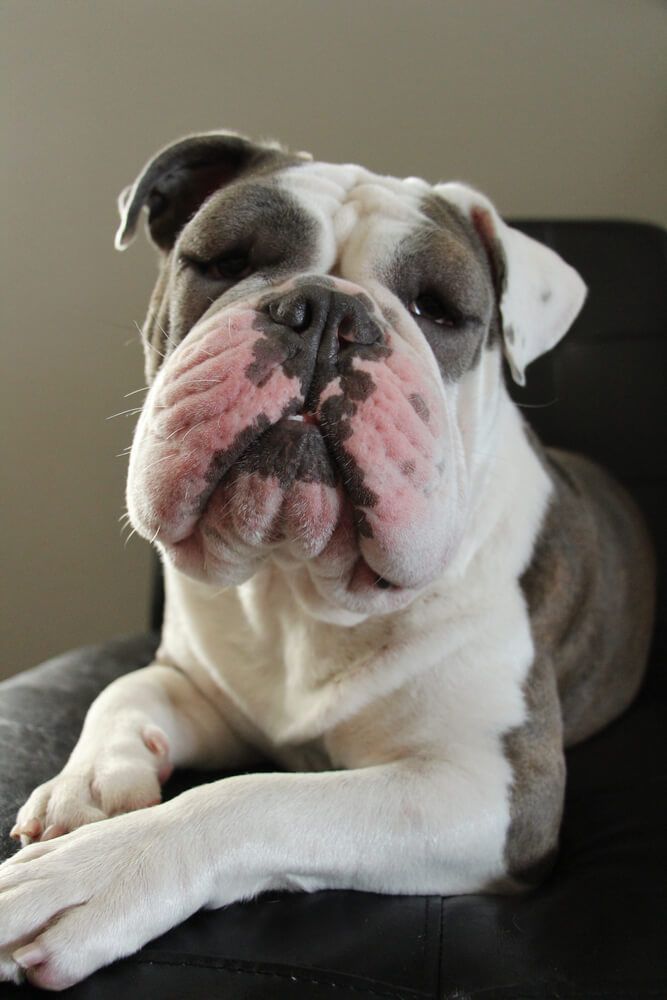
Benefits of BOAS Surgery
Surgical BOAS treatment can:
✔ Significantly improve airflow and breathing effort
✔ Increase activity levels and comfort
✔ Reduce or eliminate snoring and sleep breathing issues
✔ Lower risk of heat-related emergencies
✔ Reduce digestive problems like reflux and regurgitation
While some dogs may cope reasonably well without intervention, addressing airway issues early at around 12 months of age can prevent serious complications as they get older.
Although it’s not a “cure”, brachycephalic airway surgery offers a high chance of meaningful improvement. It’s straightforward and cost-effective, allowing dogs to be more active and playful.
Giving bulldogs and other brachycephalic breeds the gift of better breathing
What to Expect During a BOAS Procedure
There are 5 key steps to successfully performing BOAS surgery in dogs:
- Stenotic Nares Correction: Widening the nostrils to improve airflow
- Soft Palate Resection: Shortening and thinning the soft palate
- Excess Tissue Removal: Clearing obstructive tissue around the larynx or within the nasal cavity
- Laryngeal Saccule Removal: For saccules that block the airway
- Tonsillectomy: Removing enlarged tonsils if they obstruct breathing
Surgery usually takes 45–90 minutes, depending on the complexity and number of airway corrections needed.
Recovery & Aftercare
Most owners notice immediate improvements in their dog’s health and behaviour after Brachycephalic Obstructive Airway Syndrome surgery. This includes breathing more easily, reduced snoring or gasping sounds, increased energy levels and playfulness, and fewer digestive issues.
Post-surgery recovery usually includes the following stages:
- Hospital Stay: Many dogs go home the same day once stable
- First 24–48 hours: Breathing may sound louder due to normal swelling
- 1–2 Weeks: Soft food, restricted activity and harness use recommended
- 2–3 Weeks: Most dogs can return to regular activities
Always monitor them and follow any dietary or medication instructions from your vet.
Risks & Complications
As with any procedure, BOAS surgery for dogs can carry risks such as:
- Anaesthesia-related complications
- Airway swelling or bleeding
- Aspiration pneumonia
- Infection
- Rare breathing challenges post-operation
Choosing a surgeon experienced with brachycephalic dogs significantly reduces risk and improves outcomes.
Severely affected dogs with advanced obstructive airway disease or those experiencing major complications may require placement of a temporary tracheostomy tube. This diverts airflow around the throat, so that they can breathe easily whilst the surgery site is healing. These are usually removed 24-48 hours after surgery, however these patients require close continual monitoring throughout this period.
Choose Sydney Bulldog Clinic for Bulldog BOAS Surgery Care & Rehabilitation
Comprehensive care to improve your dog’s breathing & quality of life
Using state-of-the-art veterinary tools and technology, Sydney Bulldog Clinic offers advanced solutions to help your dog breathe easier. Our skilled brachycephalic vets focus on diagnosing and treating breathing issues unique to bulldogs and similar breeds, ensuring your best friend is in trusted hands.
We prioritise bulldog health and comfort by creating a stress-free environment that puts your best friend’s well-being first, and we customise every stage of care to meet their specific needs.
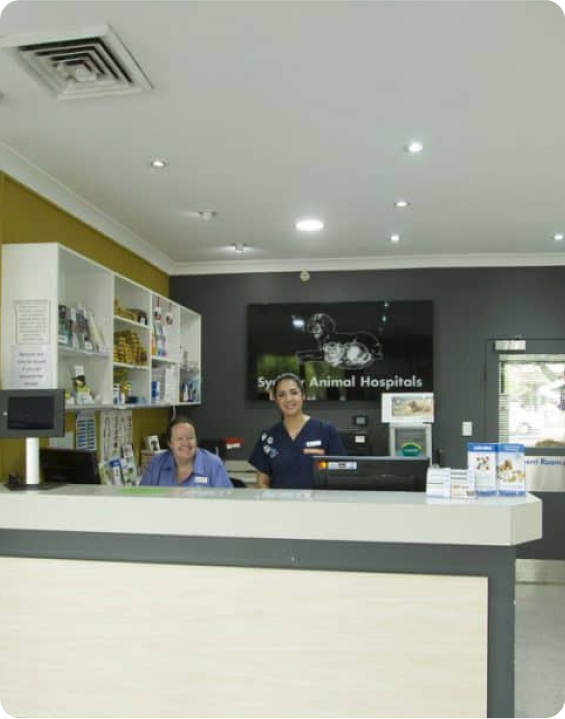
All of our brachycephalic breed services, such as bulldog airway surgery, are offered at our usual
Sydney Animal Hospitals clinics. See specific clinic addresses and details below.
Our Clinic Locations
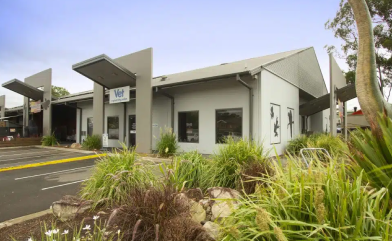
Sydney Animal Hospitals have 7 locations across Sydney for your convenience
FAQs
What Is BOAS?
BOAS (Brachycephalic Obstructive Airway Syndrome) is a condition that causes breathing difficulties due to restricted airways in flat-faced dogs.
What Are Common BOAS Symptoms in Dogs?
Symptoms include noisy breathing, snoring, gagging, low exercise tolerance, overheating, and sleep difficulties.
How Are Bulldog Breathing Problems like BOAS Diagnosed?
BOAS in bulldogs and similar breeds is typically diagnosed with a thorough physical examination and a detailed history provided by the owner. Your vet will assess your dog’s breathing, exercise habits, and any noises made during rest or activity. In some cases, additional tests such as X-rays, CT scans, or an endoscopy may be recommended to understand the extent of the condition better.
What Happens if BOAS Is Left Untreated?
Untreated BOAS can lead to severe breathing difficulties, heat stroke, collapse, chronic fatigue, and even life-threatening complications like respiratory failure.
Is BOAS Surgery Safe?
While all surgical procedures carry risks, brachycephalic airway surgery is considered safe when performed by a skilled veterinary surgeon.
How Much Does BOAS Surgery Cost in Sydney?
At Sydney Bulldog Clinic, BOAS surgery has a fixed price of $5,750. This typically includes surgical procedures and anaesthesia. Additional pre-operative diagnostics, medications, or unforeseen extended care may incur extra fees at other practices.
Pet insurance can cover BOAS, but it depends on your policy and whether it's considered a pre-existing condition. Some insurers offer add-ons or require early enrollment for coverage.
Experienced veterinary care for Brachycephalic Breeds at Sydney Bulldog Clinics
At Sydney Bulldog Clinics we provide experienced veterinary care and proactive measures, including obstructive airway corrective surgery, to ensure the well-being of your beloved pet.