
Cherry Eye in Bulldogs: Causes, Signs & Treatments
Something unusual in your dog’s eye should never be ignored. Whether it’s a small lump, redness, or discharge, it could be a sign of cherry eye.
Cherry eye is fairly common in flat-faced breeds like bulldogs. It’s treatable, but the sooner you seek care, the less discomfort your dog will experience.
In this guide, we’ll cover everything you need to know about
bulldog cherry eye — from causes and symptoms to
dog eye surgery and aftercare.
Is your bulldog’s eye red, swollen or bulging? Book a cherry eye consultation today to get a professional diagnosis and treatment plan to prevent further irritation or long-term damage. Call Sydney Bulldog Clinic on (02) 8811 4604.
What Is Cherry Eye in Dogs?
Cherry eye is a prolapse of the third eyelid gland or nictitating membrane, which is responsible for lubricating the eye and producing tear film.
When popped out of its normal position, it appears as a pink or red, swollen mass in the inner corner of the eye, causing irritation, inflammation and discomfort.
What Causes Cherry Eye in Bulldogs?
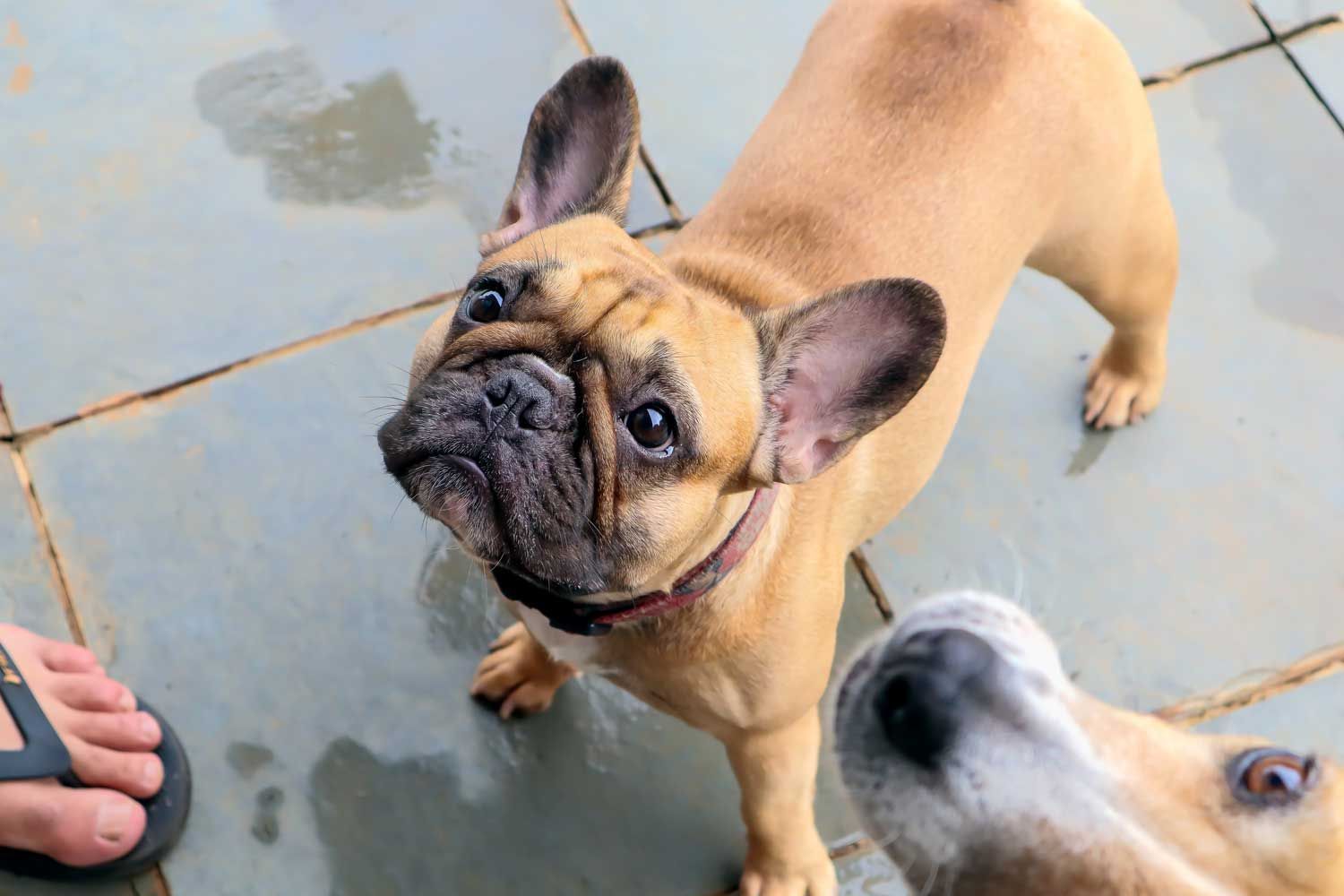
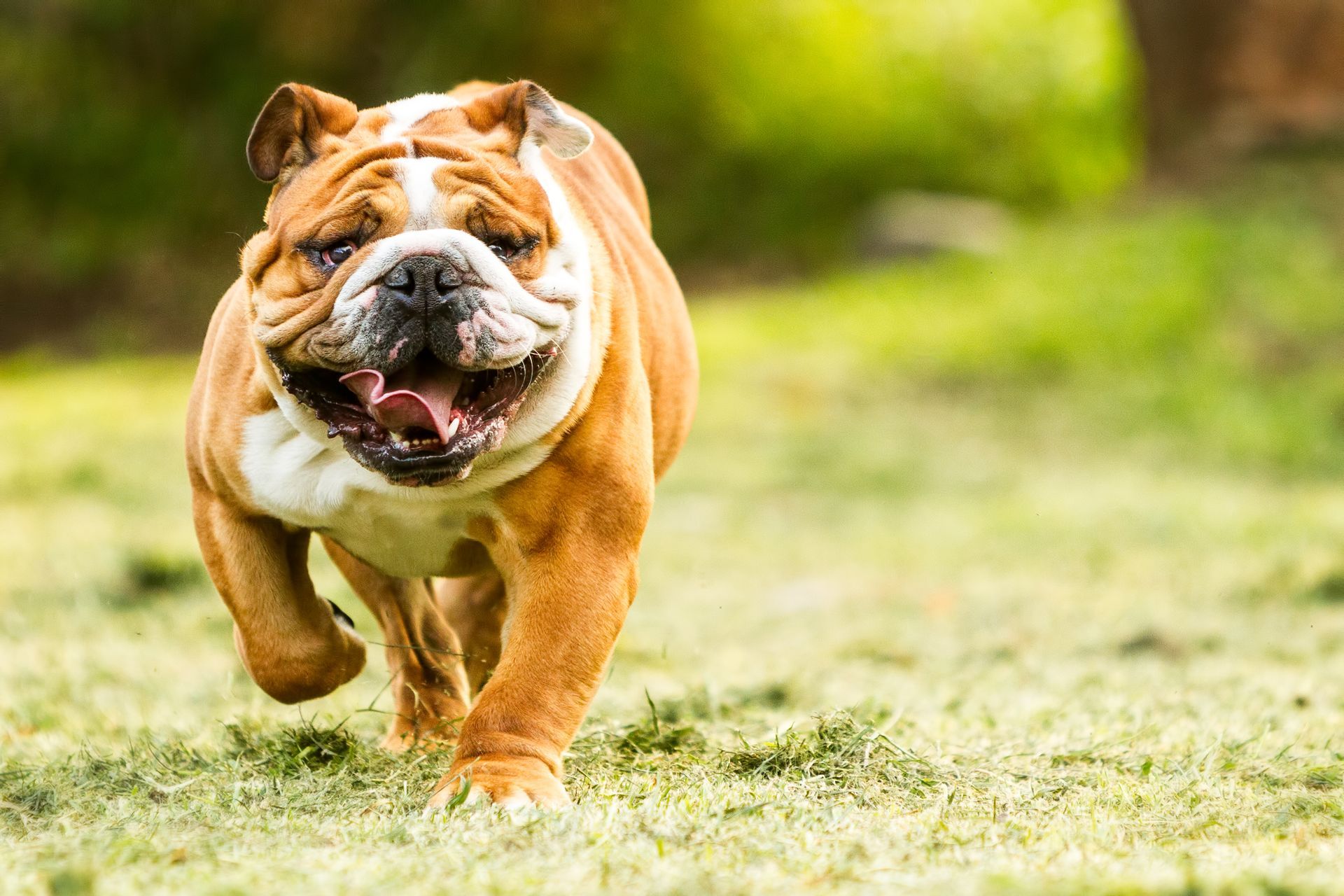
The English bulldog, French bulldog, and Australian bulldog are all at risk of developing cherry eye in one or both eyes. This is because of a genetic weakness in the connective tissues that hold the tear gland in place. Their brachycephalic face structure causes shallow eye orbits, therefore less space for the 3rd eyelid to sit.
Bulldogs are especially susceptible when they are under 2 years of age.
Other brachycephalic breeds prone to cherry eye include Shih Tzus, Cocker Spaniels, Boxers, Beagles, Basset hounds and Bloodhounds, Boston terriers, Cavalier King Charles Spaniels, Chinese Shar-Peis, Great Danes, Lhasa Apsos, Mastiffs, Newfoundlands, Pekinese, Pugs, Saint Bernards, and Rottweilers.
Early Signs of Cherry Eye in Bulldogs
Symptoms of cherry eye are often very easy to spot. The most obvious is a red or pink, protruding lump in the inner corner of the eye, which can stay visible or come and go, and often covers part of the eye.
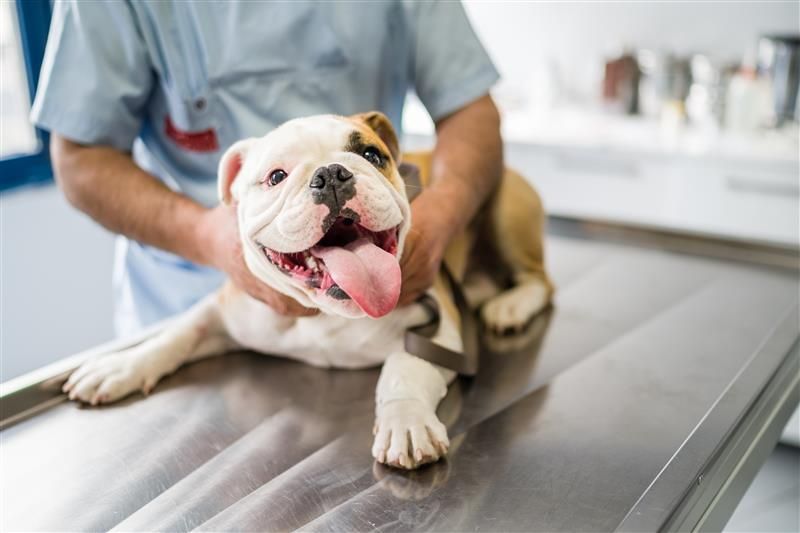
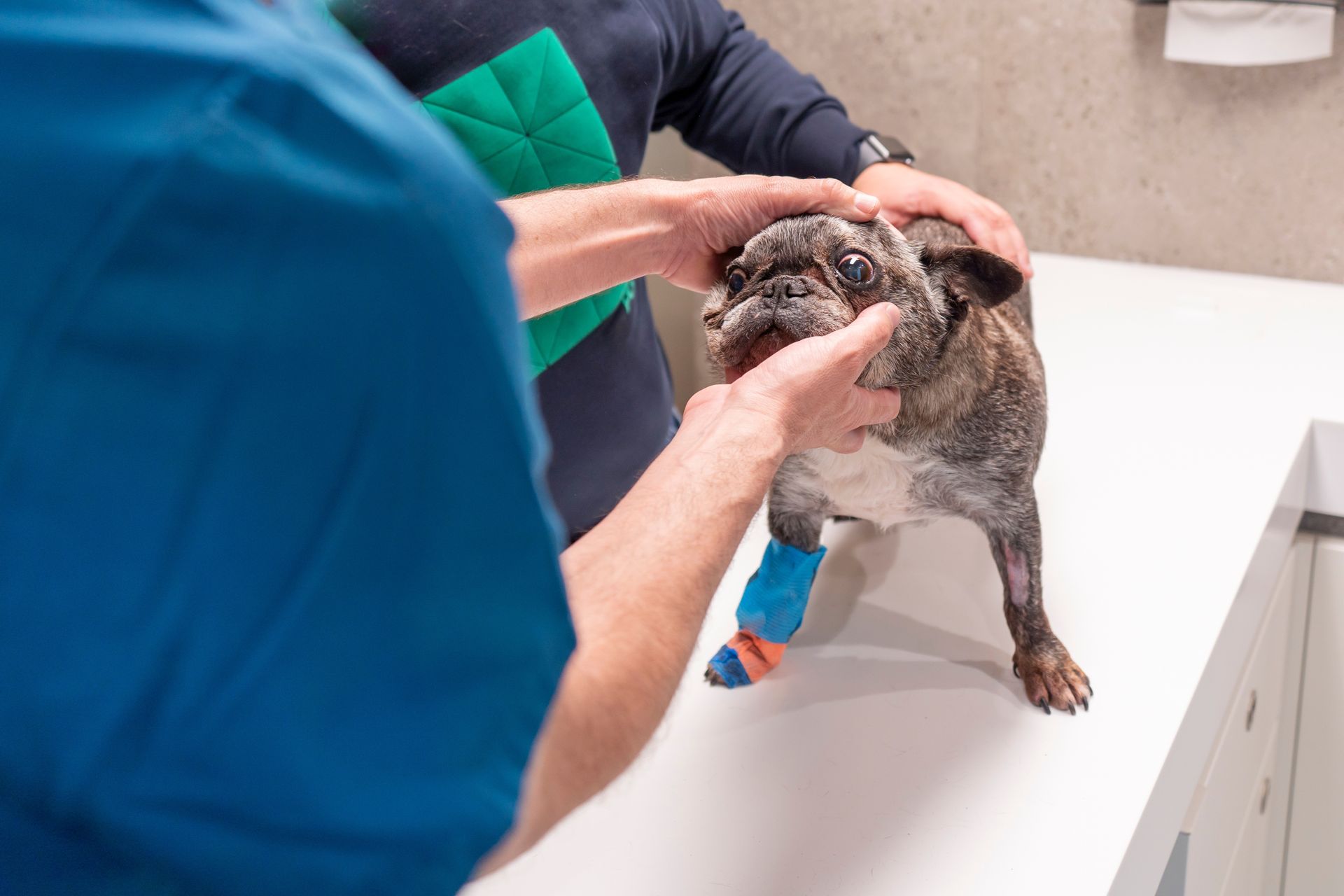
This is the primary sign of cherry eye, which a vet will visually examine to diagnose the condition and advise treatment.
Other early warning signs can include excessive tearing or blinking, watery eyes, discharge, dullness on the eye’s surface, squinting, and rubbing or pawing at the eye.
Best Treatment for Cherry Eye in Dogs
When it comes to cherry eye bulldog treatment, early intervention leads to better outcomes and less discomfort for your dog.
If left untreated, cherry eye can lead to chronic eye infections like conjunctivitis. The gland may not be able to produce tears effectively, and the dog has the risk of developing dry eye later in life.
This is why bulldog cherry eye surgery is always recommended.
The procedure repositions the prolapsed gland, restoring function and reducing irritation. It does this by creating a pocket in the tissue of the third eyelid to tuck the gland back in place, preserving the gland and tear production.
If repositioning is not viable, the gland may be removed as a last resort.
Can cherry eye be fixed without surgery?
Yes, there are less invasive treatment options, but they only provide temporary relief. A sterile cotton tip can be used to gently push the gland back, but it may not hold for long. “Tacking” is a single stitch used to hold the gland, but again, it’s not as secure as the surgical pocket technique. Anti-inflammatory eye drops and medications can help manage symptoms, but they will not permanently correct the prolapse.
Cherry Eye Surgery Aftercare
Recovery from surgery usually takes 1 to 2 weeks, although your bulldog’s eye might be swollen for a little longer than that.
During this period, exercise should be limited, and your dog will need to wear an Elizabethan collar or cone to stop them from rubbing their eyes. Antibiotics and drops may be prescribed to manage pain and prevent infection.
Your vet will provide you with a tailored aftercare plan to ensure fast healing. Follow-up visits should be scheduled regularly to monitor progress and check for any complications. They’ll also advise you on when your dog can safely return to normal activities.
Treat Bulldogs with Cherry Eye at Sydney Bulldog Clinic
When it comes to cherry eye bulldog care, prompt veterinary attention is key.
Sydney Bulldog Clinic’s experienced team specialises in bulldog health and dog eye health, offering expert diagnosis, surgery, and post-surgery services for all brachycephalic dog breeds.
As well as cherry eye, our veterinarians use advanced surgical techniques and state-of-the-art tools and technology to treat a wide range of eye conditions, including cataracts, corneal ulcers, glaucoma, entropion or ectropion eyelids, and the abnormal growth of eyelashes.
We provide personalised care tailored to your dog’s specific needs to ensure the best possible outcome for their vision and quality of life.
If you’re concerned about your bulldog’s eye, schedule an appointment with the staff at Sydney Bulldog Clinic for a thorough examination and diagnosis to help prevent further distress or damage.
FAQs
Is Cherry Eye Painful for My Bulldog?
Cherry eye is not considered painful, but it can cause discomfort and irritation. If a bulldog paws at cherry eye, it can cause injury, infection, or corneal ulcers, which are very painful.
Can Cherry Eye Go Away on Its Own?
Cherry eye doesn’t go away on its own. It requires surgical intervention for a permanent fix. The inflammation can subside or be managed, but the underlying cause of the prolapse won’t go away and will likely recur.
Can Cherry Eye Be Prevented?
You can’t completely prevent cherry eye, but you can reduce the risk by minimising your bulldog’s exposure to irritants and booking them in for regular veterinary check-ups to monitor their eye health.
How Much Does Cherry Eye Surgery Cost in Sydney?
The cost of cherry eye surgery in Sydney is around $2,000, depending on the vet, whether one or both eyes are affected, and the severity of the condition. Some clinics offer a fixed price for one eye, while others have different prices for both eyes.
Can My Bulldog’s Cherry Eye Come Back After Surgery?
Yes, cherry eye can re-prolapse after surgery, but it is not common. If the surgery is performed early and post-operative care instructions are followed properly, there is a high success rate and a low chance of recurrence.