
Summer Survival Guide: How to Manage Heat Stroke in Dogs
It’s not uncommon to experience a heatwave or three during an Australian summer, and while the sun and warmth can be enjoyable for some, they pose a serious risk to our pets.
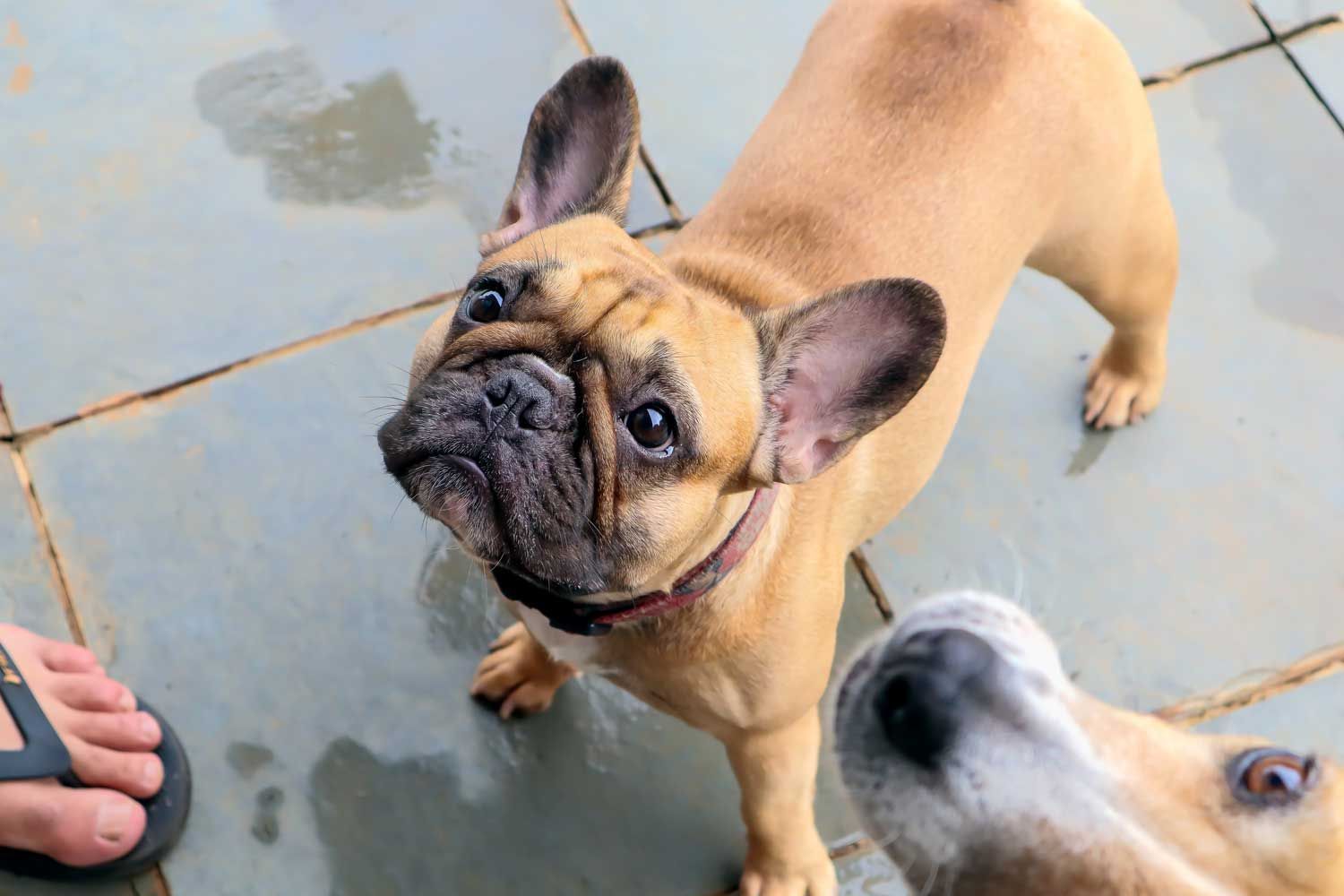
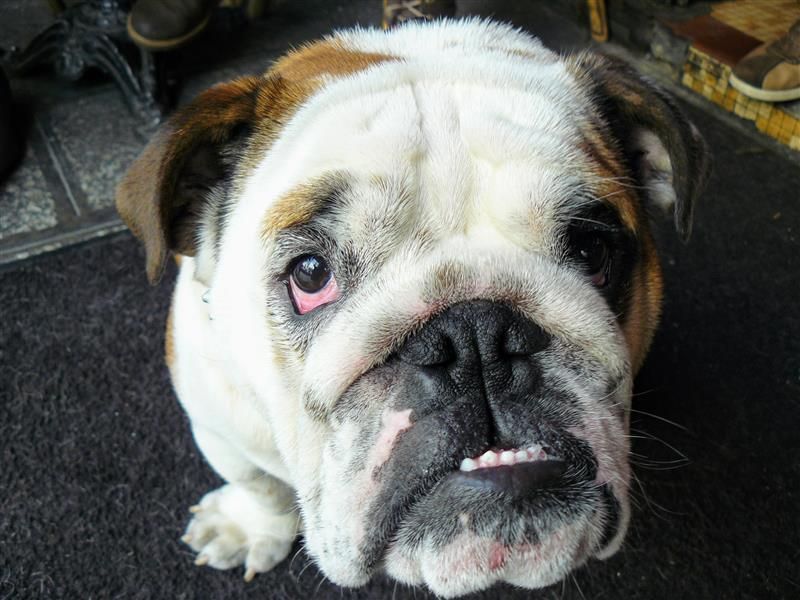
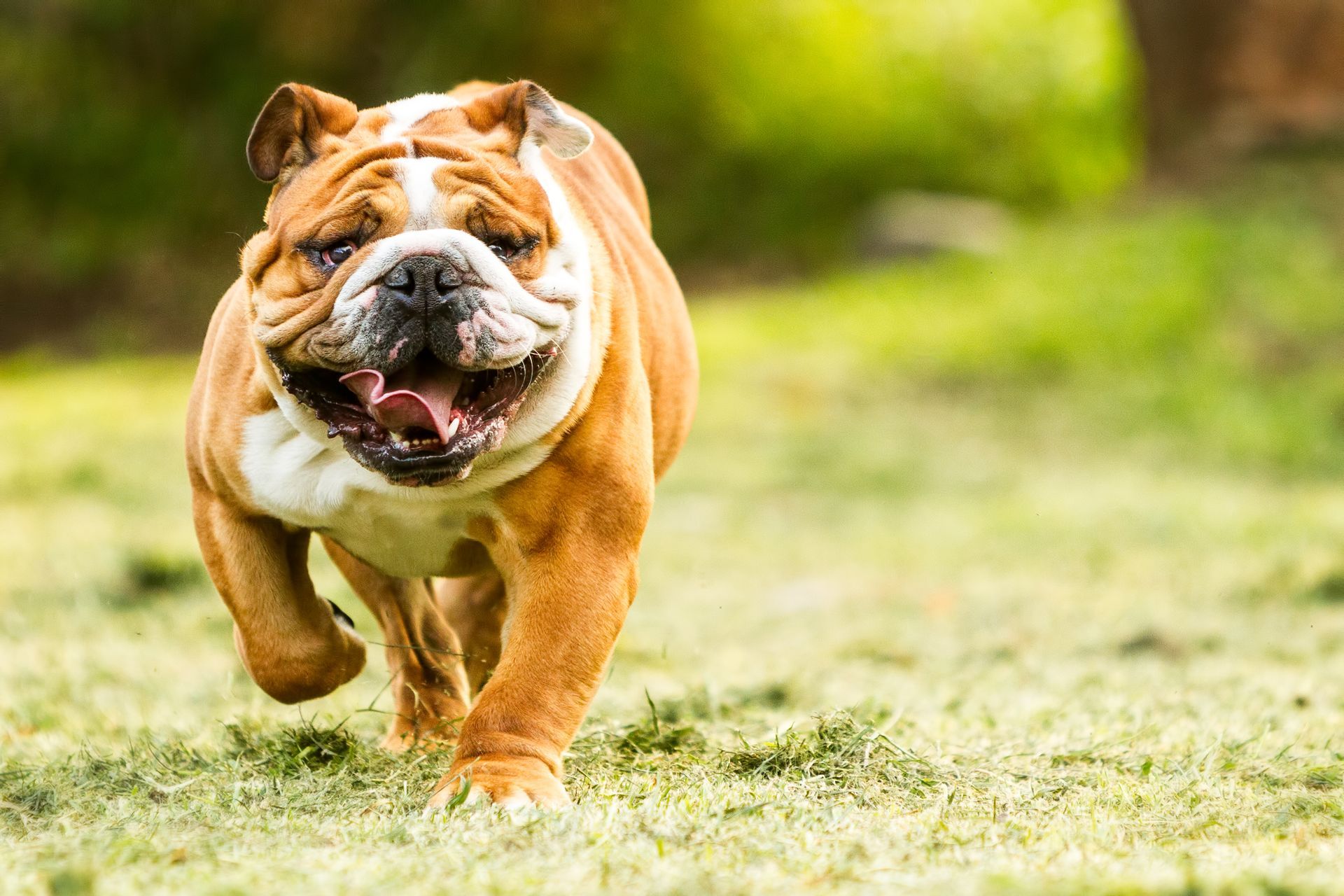
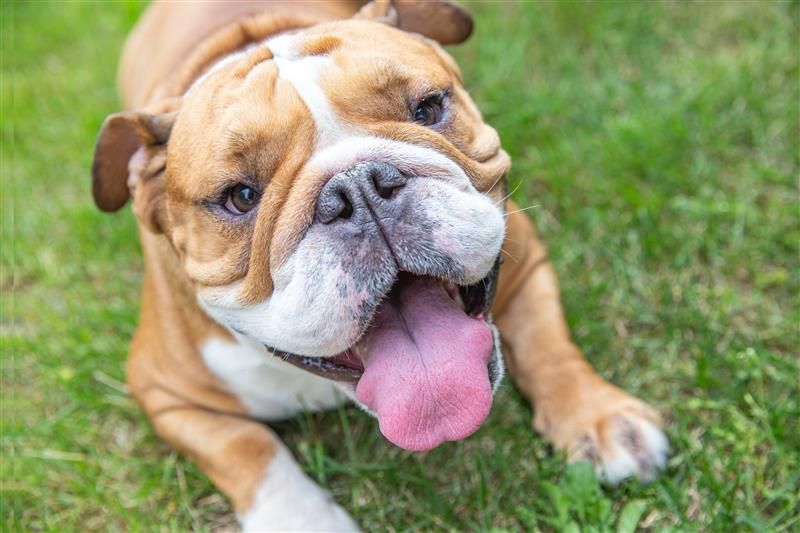
Brachycephalic dogs, like Australian Bulldogs, French Bulldogs, British Bulldogs, Boxers, Boston Terriers, and Pugs, are especially vulnerable due to their unique anatomy, making it harder for them to regulate body temperature.
In this blog, we’ll tell you how to identify, prevent and respond to heat stress so you can help your best friend stay safe and comfortable all summer long.
Contact Sydney Bulldog Clinic immediately on (02) 8811 4604 if your bulldog is showing signs of heat stress or heat stroke.
Understanding Heat Stress in Dogs
Heat stress or heat exhaustion is a condition where
a dog's body temperature rises too quickly for it to cool down. Dogs do not sweat over their bodies like humans; instead, they rely primarily on panting to release heat, which is a less efficient process.
If a dog's core temperature goes above the normal range of 38–39°C, to dangerous levels above 40°C, this is an indication that it has progressed to heat stroke.
Heat stroke is a medical emergency. If left untreated, it can lead to multiple-organ failure and potentially death.
Why Are Bulldogs More Susceptible to Heat Stroke Than Other Breeds?
Brachycephalic breeds are vulnerable to heat stress and heat stroke because their anatomy restricts airflow.
Flat-faced dogs have narrow airways, short noses, and elongated soft palates that restrict their ability to cool down through panting. This leaves them susceptible to overheating – even in moderate temperatures.
Early Signs and Symptoms of Heat Stroke in Dogs
- Heavy panting
- Restlessness or agitation
- Excessive drooling
- Thirst
- Lethargy
- Stumbling or collapsing
- Loss of consciousness
- Dizziness or disorientation
- Pale gums and/or tongue
- Diarrhoea
- Vomiting
- Muscle tremors
- Seizures
Prevention: How to Keep Dogs Cool in Summer
How to Keep Dogs Cool Inside
Keeping your dog’s indoor environment cool is the most effective way to reduce heat stress.
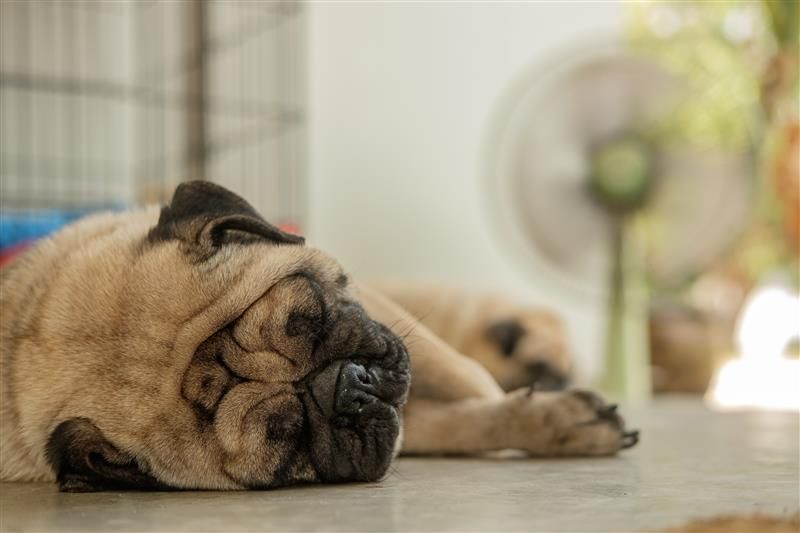
Use air conditioning or fans to move air through your home and keep blinds and curtains closed during the hottest parts of the day.
Hydration is essential,
so make sure your dog has access to cool, fresh water throughout the house. Add ice cubes and offer frozen treats made from water, food, or pet-safe fruits.
Cooling mats and evaporative vests help absorb heat, or simply, wet towels laid on the floor can give your dog a comfortable place to rest. Light spraying with cool water—especially on the inner thighs, stomach, and paw pads—can help lower body temperature.
How to Keep Dogs Cool Outside
If you must venture out with your dog in hot weather, only do so in the early morning or late evening when temperatures are lower, and avoid strenuous activity.
Take plenty of breaks, bring plenty of water, and seek out cool, shaded areas under trees, tarps or umbrellas.
Always check the ground temperature before walking (if you can’t hold the back of your hand on the pavement for 5 seconds, it’s too hot for your dog’s paws) and never leave your dog in a parked car or tied up outside.
If your dog is in a front or backyard, a shallow paddling pool or a sprinkler is a great way for them to cool down.
Extra Tips for Keeping a Dog Cool in Summer
Regular brushing helps remove excess undercoat so heat can escape.For breeds with thick or double coats, avoid shaving too short, as their fur helps regulate temperature and protect against sunburn.
Swap heavy harnesses or coats for lightweight alternatives,provide low-intensity mental stimulation, and train your dog to rest on cue to prevent overexertion.
Most importantly, monitoring their health and breed-specific risks is key. Be aware of your dog’s medical history or medications that may increase heat sensitivity, and learn your dog’s normal breathing, energy levels, and recovery times so you can spot early signs of heat stress quickly.
Relief: How to Treat Heat Stress in Dogs
If your dog is showing signs of heat stress, act quickly to bring their body temperature down.
- Move them to a shaded, or air-conditioned area and apply cool water to their body. Focus on the areas with less fur and high blood flow, such as the neck, armpits, groin, and paw pads—but avoid ice-cold water, which can shock their system.
- Increase airflow by using a fan to encourage evaporation and heat loss, and offer small sips of water if your dog is alert (never force drinking).
- Cool, damp towels placed on the groin, belly, or chest can provide additional relief.
Get Support This Summer With Sydney Bulldog Clinic
At Sydney Bulldog Clinic, we know just how quickly heat stress can escalate and how crucial care is when it does.
We work exclusively with brachycephalic breeds, which means we understand their unique anatomy, risk factors, and the early warning signs that some general clinics may overlook.
We offer breed-specific,routine vet care and summer pet safety guidance on cooling strategies, hydration, exercise limits, and at-home monitoring to help you keep your bulldog safe throughout the hottest months.
The team at Sydney Bulldog Clinic is here to help. Protect your pet and give yourself peace of mind with a visit to your nearest veterinary clinic for more heat stress advice.
FAQs
What’s the Difference Between Heat Stress and Heat Stroke in Flat-Faced Dogs?
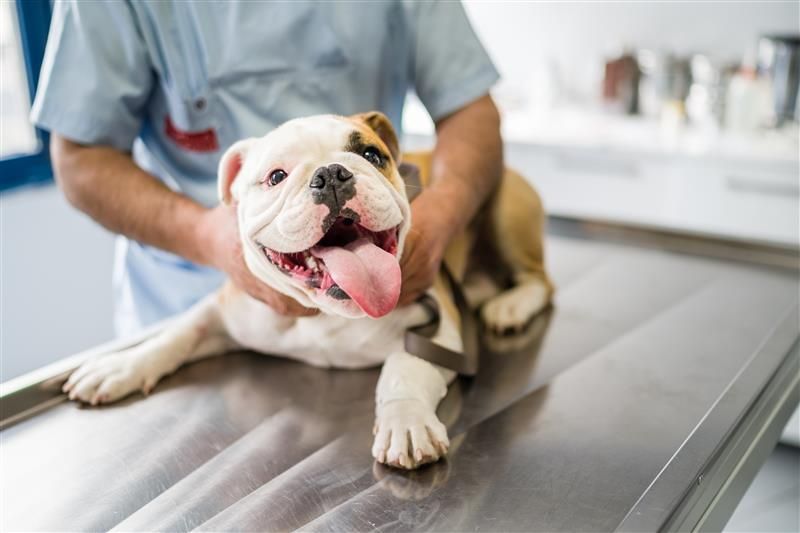
Heat stress is an early stage of overheating with mild symptoms like excessive panting and thirst. Heat stress can quickly turn into heat stroke, which has severe symptoms such as seizures, collapse, and organ failure. Heat stroke is a medical emergency requiring immediate veterinary care.
Can BOAS Surgery Help My Dog Cope With Heat?
Yes, BOAS surgery can significantly improve your dog’s ability to cope with the heat by improving airflow through their narrowed breathing passages. Brachycephalic Obstructive Airway Syndrome surgery corrects elongated soft palates and narrowed nostrils, allowing for better panting and heat dissipation. This reduces the risk of heat stress or heat stroke, improving overall comfort, exercise tolerance, and quality of life.
Should I Bring My Bulldog to the Vet After a Heat Incident Even if They Seem Recovered?
Yes, you should always bring your dog to the vet after a heat incident, even if they seem alright. Serious and potentially fatal complications like organ damage, seizures, or internal bleeding can still occur hours after the incident. Our vets can assess the severity of the situation and provide immediate care.